

When searching for the absolute highest illumination, the 24V COB high-density single-color white tape light stands out as the brightest LED strip light available today.
You plan a stunning accent layout only to end up with a dull, dim setup that fails to cut through ambient shadows. It’s incredibly frustrating to waste hard-earned cash on cheap, spotty fixtures that flicker, cause eye strain, or fail to deliver on their promised lumen specifications.
Fortunately, you can eliminate this dark frustration once and for all by upgrading to premium, commercial-grade brightest LED strip lights engineered to flood your room with clean, continuous light.
How does chip size affect the brightest LED strip lights?
Chip size directly influences overall lumen performance because larger diodes pack a greater light-emitting surface area onto the circuit board. If you want the brightest LED strip lights, understanding these physical dimensions is essential before starting your custom lighting project.
Are larger SMD chips always brighter?
While larger SMD diodes typically generate more luminous flux, the driver and system density play massive roles in the final output. Here is the deal: if a chip is larger but spaced far apart on the tape, your installation will look dull and spotty.
- Surface-mount diodes (SMDs) rely on surface area to disperse light.
- Spacing between diodes determines the intensity of the illumination.
- Modern high-power chips run hotter, requiring efficient heat dissipation.
Think about how this affects your space when choosing your layout. Selecting dense, modern chips will ensure your custom lighting projects remain intensely bright without dropping in performance over time.
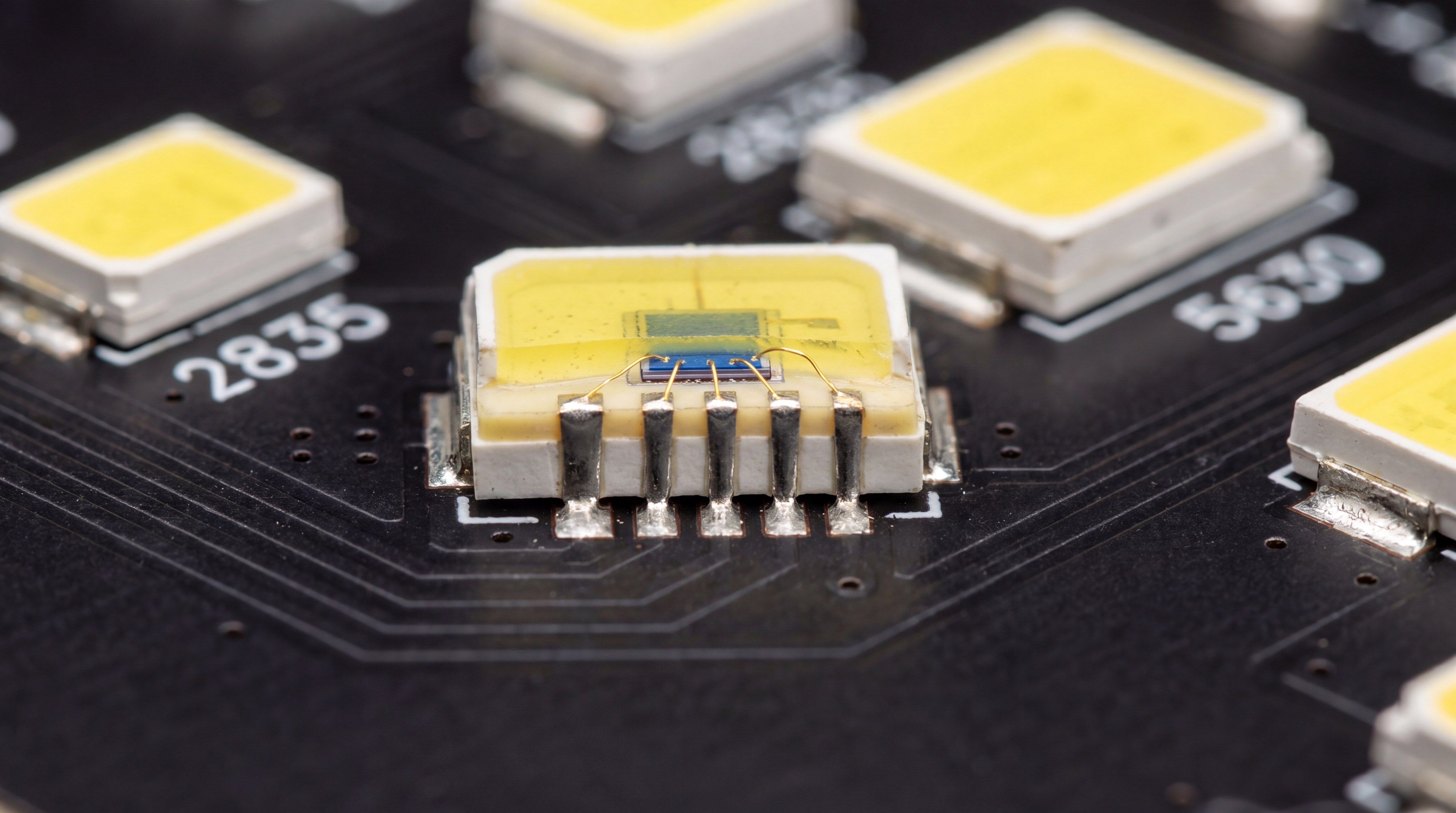
Comparing 3528, 5050, and 2835 diode performance
Choosing between these standard chip numbers can feel incredibly overwhelming when planning your setup. Let’s dive in. The widely utilized 2835 SMD chips present a much higher lumen-to-watt efficiency than older 3528 or 5050 alternatives.
- 3528 chips are ideal for low-brightness background accenting.
- 5050 chips provide decent medium-duty lighting but run hotter.
- 2835 chips offer superior thermal paths for maximum brightness.
| Diode Type | Dimensions (mm) | Average Lumens / LED | Energy Efficiency |
|---|---|---|---|
| SMD 3528 | 3.5 x 2.8 | 6 – 8 Lm | Moderate |
| SMD 5050 | 5.0 x 5.0 | 16 – 22 Lm | Standard |
| SMD 2835 | 2.8 x 3.5 | 22 – 28 Lm | Excellent |
Comparing chip physical footprints helps you determine the ultimate lumen output per watt for high-intensity commercial installations. Key Takeaway: Always prioritize 2835 chips over older 3528 diodes to achieve maximum luminescent efficiency for your modern task setups.

Why does density matter for the brightest LED strip lights?
Higher diode density creates the brightest LED strip lights because packing more light sources per foot amplifies the overall luminous density. If you select low-density options, you will end up with dark gaps that ruin the premium continuous look of your design.
What is the difference between standard and high density?
Standard density tapes usually have 30 to 60 LEDs per meter, whereas high-density versions double or triple that count. Think about it. The visual difference is night and day because high-density arrays flood the area with a solid sheet of pure light.
- Standard density creates visible “hot spots” on reflective counters.
- High-density strips eliminate dark gaps between individual diodes.
- Premium configurations produce an even, clean linear glow.
You should always evaluate your surface materials before choosing a density level. Highly reflective materials like quartz or marble require high-density light sources to avoid ugly reflection dots.
If you want a flawless, dot-free lighting experience, going with premium density strips is your ultimate option. Look: when you combine dense diode layouts with a frosted diffuser cover, the individual dots completely disappear into a seamless beam.
- 120 LEDs/m provides solid task light with minor spotting.
- 240 LEDs/m delivers an incredibly bright, nearly seamless linear beam.
- 480+ LEDs/m represents the absolute peak of modern dotless SMD design.
| Density Rating | LEDs per Meter | Spotless Performance | Recommended Placement |
|---|---|---|---|
| Standard | 30 – 60 | Poor (High Spotting) | Indirect Cove Lighting |
| High | 120 – 240 | Good (Low Spotting) | Task / Under Cabinet |
| Premium | 480+ | Perfect (Spotless) | Direct Visual Exposure |
Investing in premium density configurations prevents the eyes from focusing on harsh, distracting hot spots on polished surfaces. Key Takeaway: Select premium density arrays containing at least 240 LEDs per meter if you plan to install fixtures on highly reflective countertops.

How do COB designs deliver the brightest LED strip lights?
Chip-on-Board (COB) technology delivers the brightest LED strip lights by placing hundreds of miniature diodes directly onto a single substrate under a continuous phosphor cover. This advanced layout results in a perfectly seamless line of light without any visible hot spots.
How do COB strips eliminate dark spots?
COB strips use a revolutionary manufacturing design that packs thousands of tiny micro-chips close together. Let’s dive in. Because there are no spaces between separate plastic housings, the light blends beautifully under a flexible yellow phosphor gel sleeve.
- Phosphor coating diffuses the direct blue light into crisp white.
- Micro-diodes distribute heat evenly across the copper backing plate.
- Wide 180-degree beam angles ensure exceptional space coverage.
You will love how this eliminates the need for expensive thick diffusers. It means you can mount your fixtures in shallow channels without compromising on output.
SMD versus COB structural comparisons
Comparing these two structural designs helps you determine which lighting form matches your aesthetic and output needs. But that’s not all. COB strips run cooler per watt, allowing them to maintain peak brightness for longer periods without degradation.
- SMD tape relies on bulky individual plastic packages.
- COB tape features a slim, continuous linear phosphor track.
- COB offers far better flexibility for tight architectural curves.
| Feature Comparison | SMD LED Strips | COB LED Strips |
|---|---|---|
| Diode Visibility | Visible Hot Spots | Fully Spotless |
| Beam Angle | 120 Degrees | 180 Degrees |
| Minimum Depth | Requires Deep Channels | Fits Ultra-Slim Profiles |
Utilizing COB structures solves the historic problem of dot reflections on glossy floor tile and kitchen surfaces. Key Takeaway: Choose COB LED strip designs whenever you are mounting lights in shallow profiles or highly visible direct-view areas.
Does voltage selection impact the brightest LED strip lights?
Higher voltage selection directly supports the brightest LED strip lights by allowing more current to flow consistently over longer distances without suffering from dimming. When you opt for 24V systems instead of 12V, you dramatically reduce the impact of voltage drop.
Why does 24V outperform 12V in brightness?
A 24V configuration carries electric current much more efficiently than its lower-voltage counterpart. Think about it. Because higher voltage reduces the required amperage for the same wattage, the copper conductors on the strip run significantly cooler.
- 24V strips draw half the current of 12V strips.
- Cooler running temperatures increase the lifespan of your diodes.
- Higher wattage thresholds enable brighter overall diode configurations.
You will notice a massive difference in stability when powering larger residential or commercial layouts. It represents the industry benchmark for professional lighting designers.
Preventing voltage drop on long runs
Voltage drop occurs when power decreases as it travels along the thin copper traces of your tape light. Here is the deal: if you attempt to run 12V tape past five meters, the far end will look terribly dim.
- 12V systems suffer noticeable brightness loss after 16 feet.
- 24V systems can easily run up to 32 feet without dimming.
- Dual-end power injection resolves drop issues on extreme runs.
| System Voltage | Max Single Run Length | Amperage Draw (per 100W) | Brightness Consistency |
|---|---|---|---|
| 12 Volts DC | 16.4 Feet (5m) | 8.33 Amps | Low on Long Runs |
| 24 Volts DC | 32.8 Feet (10m) | 4.17 Amps | High & Consistent |
Selecting a 24V system simplifies your wiring design by requiring fewer power feed points across large rooms. Key Takeaway: Always design your high-output lighting projects around 24V architecture to maintain uniform brightness from start to finish.

What power supply is needed for the brightest LED strip lights?
The brightest LED strip lights require a robust, properly rated low-voltage power supply that provides a continuous wattage output exceeding your total strip consumption by twenty percent. Failing to size your power supply correctly will lead to premature driver failure and flickering lights.
How do you calculate the required driver wattage?
To calculate your required power supply, simply multiply the per-foot wattage rating of your strip by its total length. Look: you must always factor in an extra safety margin to prevent the system from overloading.
- Check the manufacturer specification sheet for the exact wattage per foot.
- Multiply this value by the total number of feet you plan to install.
- Add a 20% safety margin (the “80% rule”) to determine the minimum driver size.
If you run a 100-watt load, you should purchase at least a 120-watt rated power driver. This buffer ensures your setup operates safely and efficiently during peak continuous usage.
Selecting the right low-voltage transformer
Choosing the correct transformer depends on whether you plan to dim your lights through a wall switch. But that’s not all. High-quality magnetic or electronic drivers ensure clean DC output, which preserves your strip’s brightness.
- Non-dimmable drivers are perfect for simple on/off closet lights.
- TRIAC dimmable drivers allow smooth control via traditional wall dimmers.
- Premium drivers offer built-in protection against short circuits and surges.
| Driver Type | Dimming Compatibility | Efficiency | Best Use Case |
|---|---|---|---|
| Non-Dimmable | None (On/Off Only) | 85% – 90% | Basic Accent Projects |
| TRIAC Dimmable | Standard Wall Dimmers | 80% – 88% | Residential Living Spaces |
| 0-10V / DALI | Commercial Systems | 90%+ | Professional Offices |
Matching your driver to the control system ensures noise-free dimming without high-frequency buzzing or flashing. Key Takeaway: Never load a power driver beyond eighty percent of its rated capacity if you want to protect your system from heat damage.
Does waterproofing reduce the brightest LED strip lights?
Waterproofing sleeves can reduce the brightness of the brightest LED strip lights by five to fifteen percent due to light absorption through the protective silicone layers. However, this minor loss is a necessary trade-off for protecting your equipment in damp or outdoor environments.
Do IP ratings affect total light output?
IP ratings designate how well a light fixture resists dust and water penetration. Think about it. The thicker the protective barrier surrounding the diodes, the more light gets trapped inside the housing.
- IP20 non-waterproof strips offer maximum raw lumen output.
- IP65 silicone coated strips protect against splashes with minimal loss.
- IP67/IP68 encased sleeves block up to 15% of total light.
You must carefully evaluate your installation environment before making a selection. Dry living rooms do not need heavy outdoor waterproofing, allowing you to enjoy the highest raw lumens.
Selecting waterproof strips for damp zones
For kitchens and bathrooms, you need a balance between safety protection and bright functional task illumination. Here is the deal: a quality silicone-insulated strip will keep moisture out without significantly dimming your kitchen workspace.
- Kitchen under-cabinets require at least IP65 to resist grease.
- Bathroom showers require fully sealed IP67 options for direct steam.
- Pure silicone sleeves resist yellowing much better than cheap epoxy resins.
| IP Rating | Protection Level | Lumen Loss % | Best Wet-Zone Application |
|---|---|---|---|
| IP20 | Indoor Dry Only | 0% | Bedrooms / Living Coves |
| IP65 | Splash & Moisture Proof | 3% – 5% | Kitchen Countertops |
| IP67 | Temporary Submersion | 10% – 15% | Outdoor Paths / Showers |
Selecting pure silicone encapsulation ensures long-term clarity and prevents the light from turning dingy or yellow over time. Key Takeaway: Use IP20 rated strips in dry indoor areas to enjoy the absolute highest lumen output and most efficient energy performance.

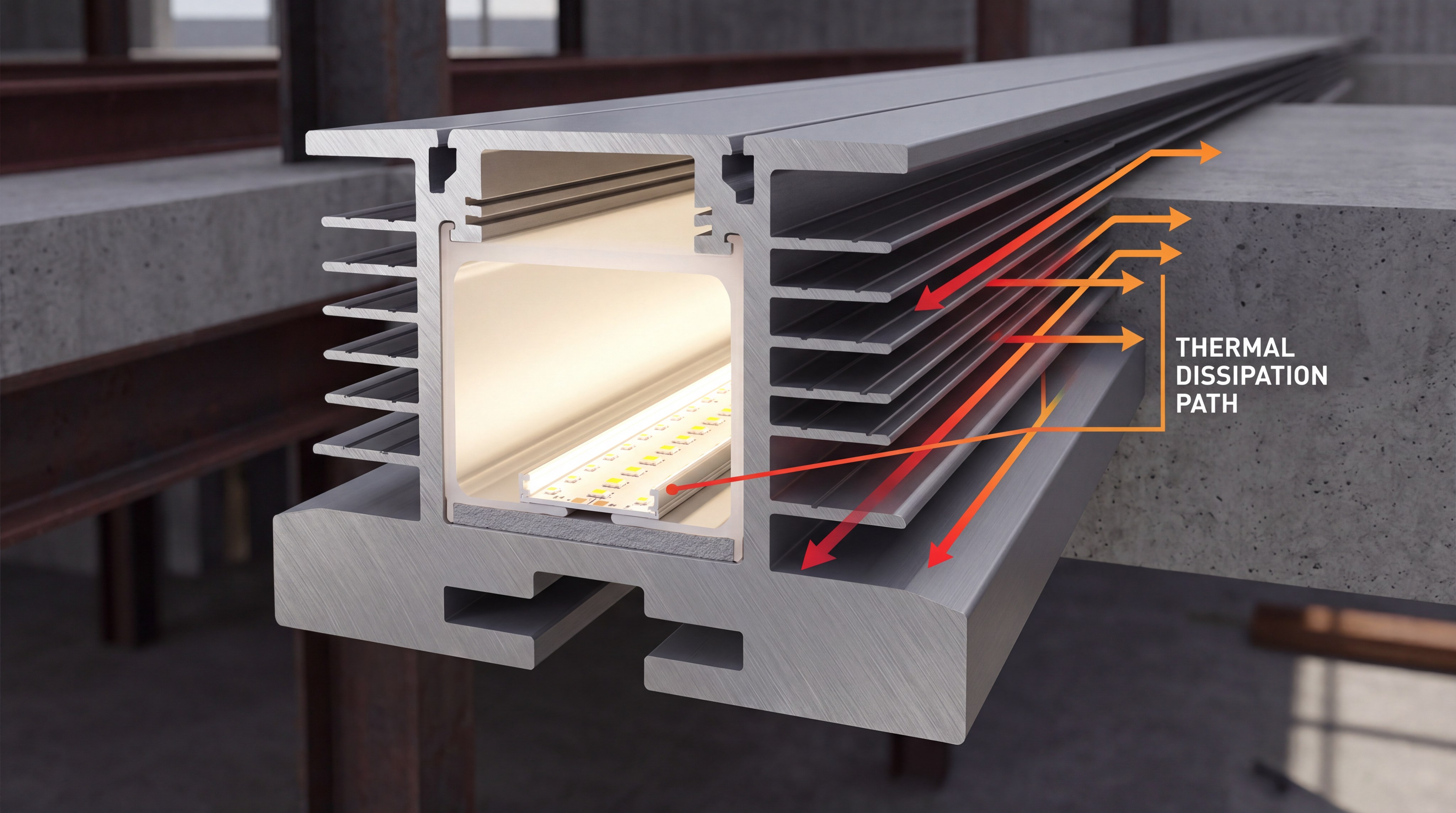
How does aluminum housing protect the brightest LED strip lights?
Aluminum housing protects the brightest LED strip lights by acting as a heavy-duty thermal heatsink that pulls damaging heat away from the sensitive diodes. This crucial cooling effect prevents thermal degradation, which otherwise causes your LEDs to dim prematurely.
Why do high-output LEDs require thermal management?
High-output light strips produce substantial heat because they concentrate intense power into an incredibly narrow circuit board. Let’s dive in. If this thermal energy has nowhere to go, the delicate semiconductor junctions inside the LEDs will rapidly deteriorate.
- Excess heat causes diodes to lose up to 50% of their brightness.
- Thermal stress can lead to visible color shifting over time.
- Cool-running LEDs maintain their original brightness for decades.
You should never stick high-power tape directly to bare painted wood or drywall. Mounting them onto metal surfaces ensures the heat escapes safely into the surrounding air.
Choosing the best aluminum extrusion channels
Using metal extrusion tracks allows you to achieve both maximum diode protection and a highly polished, professional aesthetic. Think about it. These metal channels not only cool your lights but also protect them from dust and physical impact.
- Slim channels are perfect for tight under-cabinet recesses.
- Deep channels help blend individual dots into a uniform beam.
- Frosted plastic covers diffuse the intense light to reduce glare.
| Channel Style | Cooling Efficiency | Dot Dispersion | Ideal Mounting Areas |
|---|---|---|---|
| Shallow Profile | High | Low (Slight Spotting) | Hidden Valances |
| Deep Profile | Excellent | High (Very Smooth) | Direct Exposed Walls |
| Corner (45°) | High | Moderate | Under-Cabinet Edges |
Adding metal mounting tracks ensures your high-output lighting project remains exceptionally bright and structurally secure for years to come. Key Takeaway: Always mount high-wattage strip lights inside aluminum channels to dissipate heat and prevent rapid brightness decay.

Does color temperature alter the brightest LED strip lights?
Color temperature significantly alters how we perceive the brightest LED strip lights, with cooler daylight kelvin ranges appearing far more intense to the human eye than warmer, golden tones. While the actual measured lumens may be identical, cool light cuts through darkness with greater visual sharpness.
Are cooler kelvin temperatures perceived as brighter?
Cool white light contains more blue wavelengths, which naturally mimic midday sunlight and stimulate human alertness. Here is the deal: our eyes are biologically wired to perceive blue-heavy light as highly energetic and intensely bright.
- 3000K warm white creates a relaxing, cozy yellow glow.
- 4000K neutral white mimics clean, balanced office lighting.
- 6500K cool white delivers an ultra-sharp, clinical daylight vibe.
You will find that workspaces illuminated with 5000K or 6000K light feel much brighter and easier to work in. It makes cooler temperatures perfect for detailed tasks like cooking, sewing, or reading.
Matching kelvin to your room application
Selecting the perfect color temperature requires matching the functional purpose of your space with the right physiological vibe. Look: using the wrong kelvin rating can make a beautifully designed kitchen feel either like a dark cave or an sterile hospital.
- Warm white is ideal for bedrooms, dining rooms, and home theaters.
- Neutral white is the standard for high-performance modern kitchens.
- Cool white works best in commercial garages, retail spaces, and display cases.
| Kelvin Rating | Light Appearance | Perceived Intensity | Recommended Area |
|---|---|---|---|
| 2700K – 3000K | Warm White | Cozy / Soft | Bedrooms & Dens |
| 4000K | Neutral White | Clean / Balanced | Kitchens & Offices |
| 5000K – 6500K | Cool Daylight | Intense / Sharp | Garages & Workshops |
Choosing neutral white balances functional task lighting needs with a welcoming residential atmosphere. Key Takeaway: Install 4000K or higher color temperatures in utility areas to optimize visual clarity and maximize perceived room brightness.

How do multi-color chips change the brightest LED strip lights?
Multi-color chips naturally reduce the dedicated white output of the brightest LED strip lights because they must share limited physical space on the circuit board among red, green, blue, and white sub-diodes. If you require maximum white brightness, a specialized single-color white strip will always outperform an RGB tape light.
Can RGB lights match single-color brightness?
RGB strip lights are designed primarily for decorative color effects rather than high-intensity task illumination. Think about it. When you attempt to create white light by turning on red, green, and blue simultaneously, the resulting light looks slightly blue-gray and lacks punch.
- Red, green, and blue diodes have lower individual lumen ratings.
- Mixing colors consumes maximum power while producing inefficient light.
- True white requires dedicated phosphors that RGB diodes lack.
You should avoid using basic RGB strips as your primary room light source if you want true, functional illumination. They are fantastic for parties but poor for reading or cooking.
Upgrading to RGBW for dedicated white output
If you want both colorful lighting options and bright white task light, upgrading to an RGBW system is your best path forward. But that’s not all. RGBW chips feature an independent, dedicated white diode built right into the package for clean, high-performance illumination.
- Dedicated white diodes produce a pure, crisp white spectrum.
- Integrated designs let you switch instantly from party colors to functional tasks.
- High-density RGBW strips deliver excellent hybrid performance.
| Strip Type | Color Output Range | White Light Quality | Maximum Lumens |
|---|---|---|---|
| Standard RGB | Colors Only (Mixed White) | Poor (Rainbow Shadows) | Low |
| RGBW (4-in-1) | Colors + Pure White | Good (Dedicated Diode) | Medium-High |
| Single-Color | White Only (Warm/Cool) | Excellent (Dedicated Phosphor) | Highest |
Selecting a dedicated single-color white layout provides the highest lumen density for task-critical commercial environments. Key Takeaway: Choose dedicated single-color white tape lights over multi-color options whenever maximum room illumination is your primary goal.

Where should you install the brightest LED strip lights?
You should install the brightest LED strip lights in areas requiring high-performance task illumination, such as kitchen under-cabinets, workshop benches, and architectural cove ceilings. Placing these powerful light sources correctly ensures your spaces are beautifully lit without causing uncomfortable direct glare.
What are the best locations for high-output setups?
High-output setups are perfect for converting dark, unusable corners into highly functional work zones. Let’s dive in. By tucking these powerful fixtures under cabinets or inside wall recesses, you can project massive illumination onto work surfaces without seeing the tape.
- Under-kitchen cabinets to illuminate meal preparation areas.
- Drop ceilings and crown moldings for dramatic indirect room glow.
- Retail display cabinets to make high-end merchandise pop.
You will discover that proper placement completely changes the architectural feel of your home. It creates the illusion of higher ceilings and deeper, wider rooms.
Maximizing task versus ambient light impact
Balancing your overall layout means understanding when to use blinding task light and when to choose soft, mood-setting ambient glows. Here is the deal: running a high-powered light strip at full power in a bedroom can feel incredibly harsh unless you install a high-quality dimmer.
- Task areas require high-intensity output for safety and precision.
- Ambient areas benefit from dimmed, indirect glows that soothe the eyes.
- Integrating smart dimmers gives you the flexibility to transition between both.
| Installation Area | Preferred Output Level | Recommended Kelvin | Mounting Channel |
|---|---|---|---|
| Kitchen Cabinets | High Output | 4000K | Slim Aluminum |
| Bedroom Coves | Medium Output | 2700K – 3000K | Wide Plaster-In |
| Garage Workbenches | Ultra-High Output | 5000K – 6000K | Surface Mount |
Utilizing dimmable controls allows your high-performance installations to shift seamlessly from bright task workspaces to cozy evening environments. Key Takeaway: Always pair high-output installations with compatible dimming controllers to maintain full mastery over your room’s mood and comfort.

Designing Your Perfect High-Output Lighting Layout
Finding the absolute brightest lighting solution doesn’t have to be a guessing game of spotty fixtures and disappointing outputs. By focusing on modern COB designs, 24V architecture, and high-density configurations, you can easily banish dark shadows and uneven hotspots from your property forever. Whether you are remodeling a premium culinary kitchen, illuminating a retail storefront, or upgrading an industrial workspace, selecting the right specifications ensures a flawless, continuous linear beam that inspires productivity.
If you are ready to take your lighting design to the next level with commercial-grade reliability, we are here to support your vision. Our team of expert engineers is standing by to help you choose the perfect power drivers, aluminum housings, and high-intensity tapes tailored to your exact project parameters. Let us help you transform your space into a stunning showcase of modern, energy-efficient illumination—contact us today to get started on your custom lighting design.
Frequently Asked Questions About High-Output LED Strips
Can I cut and link high-brightness LED strip lights?
Yes, you can easily cut and link these strips at designated cut points using solderless connectors or soldering tools. However, you must ensure that your power supply and connector clips match the exact width and voltage requirements of your tape to avoid voltage drop or loose connection points.
What’s the best way to prevent brightness loss over long distances?
The best way is to utilize 24V systems and feed power to both ends of your tape light run. This dual-injection method ensures that the electric current flows evenly throughout the entire circuit, maintaining perfect brightness uniformity across long distances.
How do I know if my high-power lights are overheating?
You will know they are overheating if the backing tape feels extremely hot to the touch or if the light begins to flicker and dim. To prevent this severe thermal damage, always install high-wattage strip lights inside metal aluminum channels to safely disperse the heat.
Can I dim the brightest LED strip lights to a soft glow?
Yes, you can dim high-output strips beautifully by pairing them with a compatible dimmable power driver and a high-quality wall dimmer switch. This setup gives you total control over your room’s atmosphere, allowing you to instantly transition from sharp task lighting to cozy, low-intensity ambient glows.