
Yes, you can overlap LED strip lights, but only if you manage heat dissipation and power load correctly to avoid safety hazards. Achieving a flawless, gap-free lighting design often feels like an uphill battle when you encounter sharp corners or complex architectural recesses. If you simply stack layers without a technical plan, you risk creating dangerous “hot spots” or even damaging the delicate circuitry of your LEDs.
By mastering the professional technique of overlapping LED strip lights, you can eliminate dark shadows and create high-intensity, multi-dimensional lighting effects with total confidence.
Is safely overlapping LED strip lights possible?
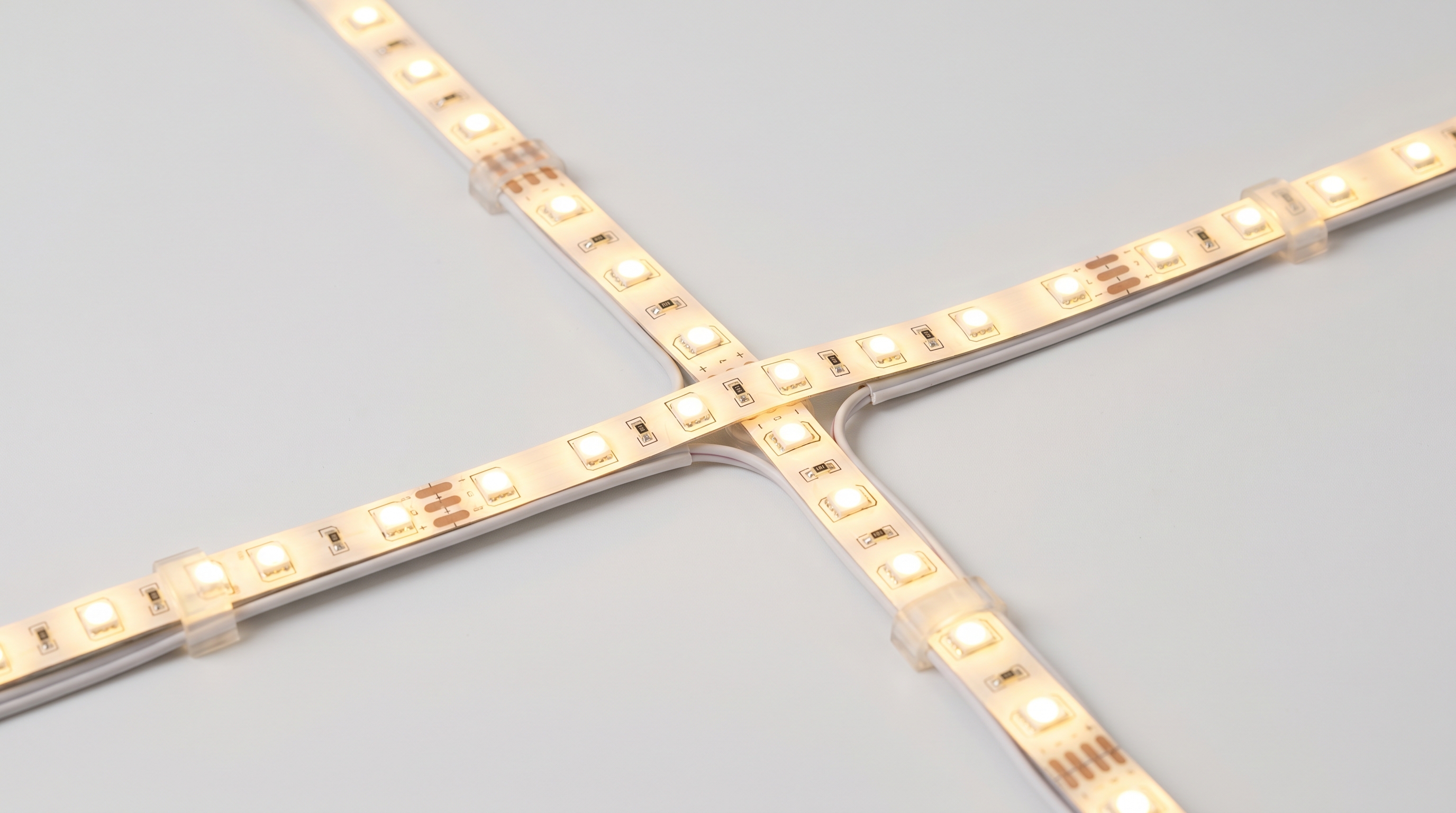
Safely overlapping LED strip lights is entirely possible provided you account for the physical thickness of the strips and the thermal energy they produce. When you cross or stack these lights, you are essentially concentrating power in a localized area, which requires high-quality components. Utilizing overlapping LED strip lights from reputable suppliers ensures the PCB backing is durable enough to withstand the physical contact.
How do you prevent electrical shorts?
You must ensure that the copper pads of the top strip do not come into direct contact with the conductive components of the bottom strip. Using a thin layer of non-conductive insulation or specifically designed mounting clips can maintain the necessary separation.
- Use plastic mounting clips for physical gaps.
- Apply Kapton tape for high-heat insulation.
- Ensure strips are rated for high-density placement.
The best part?
This technique allows you to create continuous lines of light around 90-degree corners where traditional bending might snap the internal traces.
| Factor | Requirement | Risk Level |
|---|---|---|
| Component Quality | 2oz+ Copper PCB | Low |
| Insulation | Required at contact points | Medium |
| Placement | Non-conductive surfaces | Low |
Analysis: Successful overlapping relies heavily on the mechanical integrity of the PCB and the prevention of direct electrical contact between stacked layers.
Key Takeaway
Overlapping is a viable solution for gap-free lighting as long as you maintain electrical isolation between the overlapping circuits.
Does overlapping LED strip lights cause overheating?
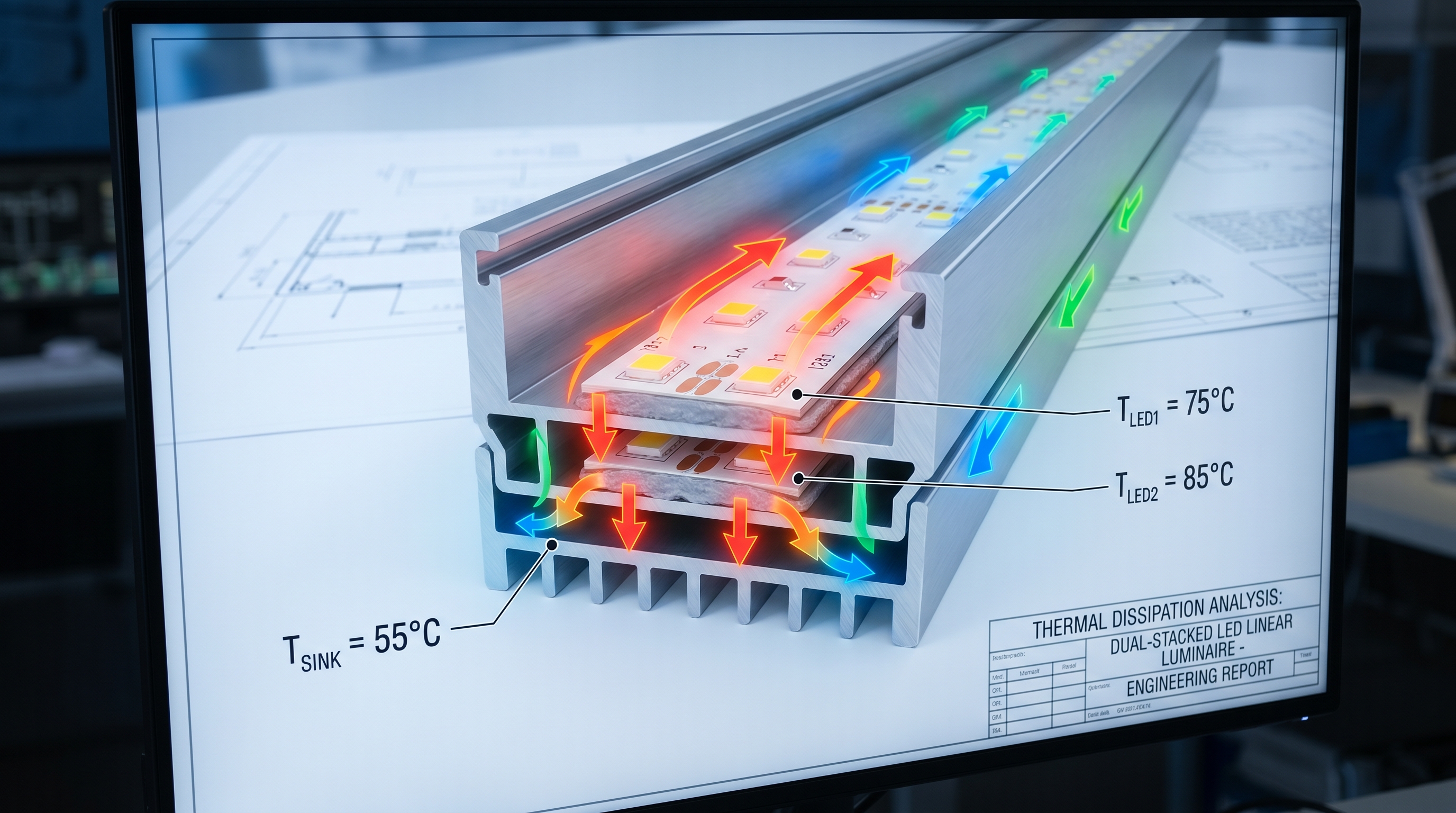
Overlapping LED strip lights naturally generates more heat because the thermal energy from two sources is concentrated into a single surface area. Without proper ventilation or heat sinking, this trapped energy can quickly exceed the safe operating temperature of the LED chips. Excessive heat is the primary cause of premature brightness decay and color shifting in B2B lighting installations.
Why are aluminum channels necessary?
You should always install overlapped sections inside aluminum profiles to act as a heat sink for the system. The metal channel draws heat away from the PCB and dissipates it into the surrounding air, keeping the junction temperature within safe limits.
- Select deep channels for better air volume.
- Use frosted covers to hide the physical overlap.
- Ensure the profile is mounted to a cool substrate.
Think about this:
A single LED strip can reach 50°C, but overlapping them without a heat sink can push temperatures past 80°C, significantly shortening their lifespan.
| Cooling Method | Efficiency | Recommendation |
|---|---|---|
| Open Air | 30% | Not recommended for overlap |
| Standard Profile | 70% | Minimum requirement |
| Heatsink Profile | 95% | Best for high-output overlap |
Analysis: Managing the thermal footprint is non-negotiable; aluminum profiles are the most effective tool for maintaining system longevity during overlapping.
Key Takeaway
Never overlap strips on wood or plastic surfaces without an aluminum heat sink to prevent dangerous thermal buildup.
How to manage brightness when overlapping LED strip lights?
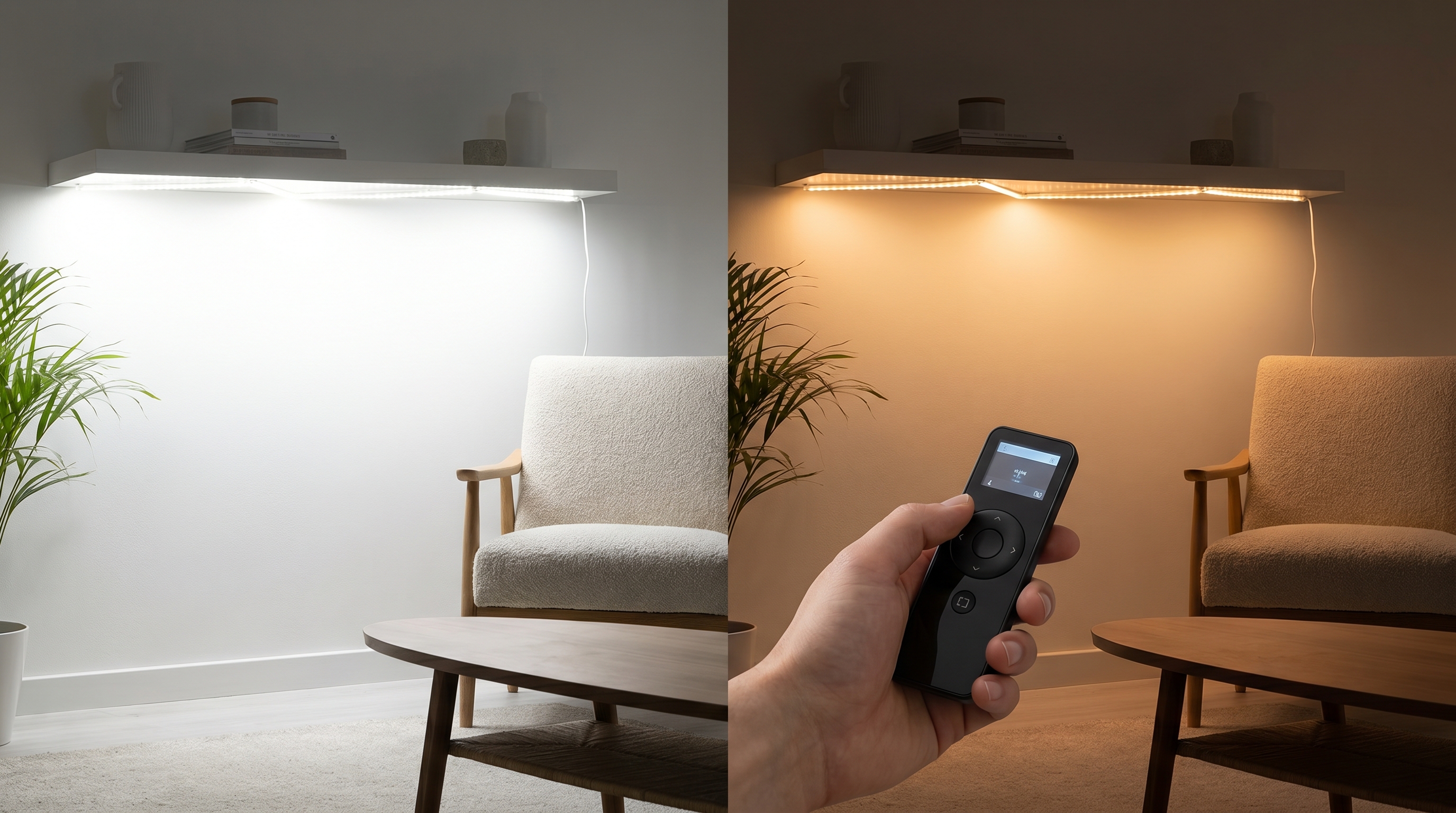
You manage brightness when overlapping LED strip lights by utilizing independent dimming controls or high-density diffusers to unify the light output. When two strips occupy the same space, the lumen output effectively doubles, which can create distracting “hot spots” in your design. Choosing overlapping LED strip lights with high LED density helps blend the light more naturally.
Can you balance the intensity?
You can use a multi-channel controller to dim the overlapped section independently from the rest of the run. This allows you to match the brightness of the double-layered area to the single-layered sections for a perfectly uniform appearance.
- Install PWM dimmers for precise control.
- Use high-density (120+ LEDs/m) strips for better blending.
- Opt for COB (Chip on Board) strips to eliminate spotting.
The bottom line?
Visual uniformity is what separates a professional lighting installation from a DIY project, especially in high-visibility B2B environments.
| Light Quality | Single Layer | Overlapped Layer | Adjustment Needed |
|---|---|---|---|
| Lumen Output | 100% | ~200% | Dim to 50% |
| Shadowing | Minimal | None | N/A |
| Spotting | Possible | Likely | Use Diffuser |
Analysis: Overlapping provides a unique opportunity to boost brightness, but it requires active management to prevent uneven light distribution.
Key Takeaway
Use dimmers and frosted diffusers to ensure the concentrated brightness of an overlap doesn’t disrupt the visual flow of your space.
Which adhesive works for overlapping LED strip lights?
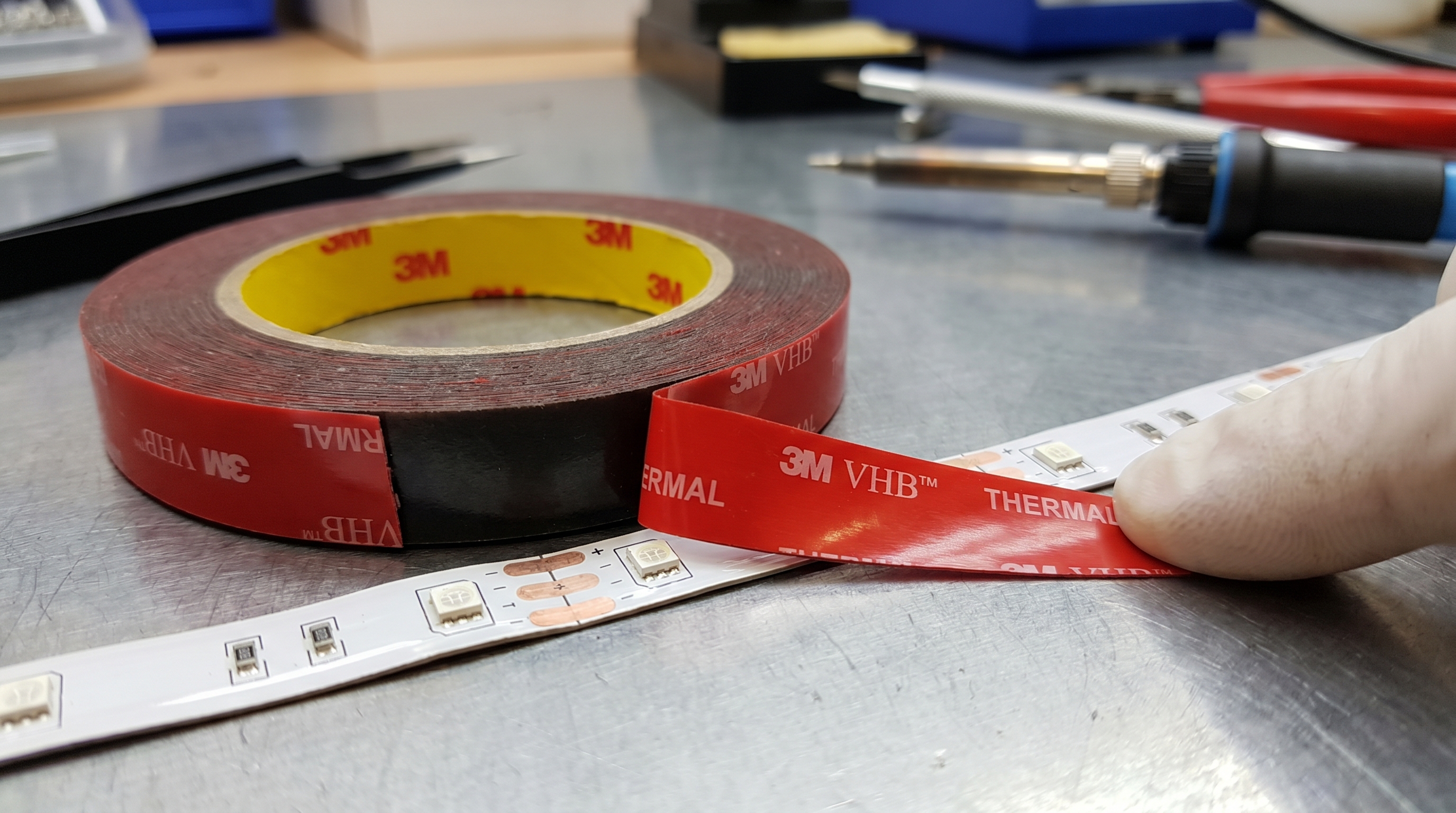
The best adhesive for overlapping LED strip lights is a high-temperature acrylic foam tape that can bond to the silicone or epoxy coating of the bottom strip. Standard adhesives found on most budget strips are designed for flat, clean metal surfaces and will likely fail when applied to another strip. You need an adhesive that remains stable even when the lights reach their peak operating temperature.
Is standard tape enough?
You will find that standard double-sided tape dries out and loses its grip due to the constant thermal expansion of the LEDs. Industrial-grade tapes like 3M VHB provide a permanent bond that resists moisture, heat, and vibration.
- Clean both surfaces with isopropyl alcohol first.
- Apply firm pressure for at least 30 seconds.
- Use thermal conductive tape for better heat transfer.
Here is the kicker:
If the adhesive fails in a ceiling cove, the top strip will sag, creating a messy shadow and potentially causing the lights to overheat even faster.
| Adhesive Type | Heat Resistance | Bond Strength |
|---|---|---|
| Standard Blue/White | Low | Weak |
| Thermal Tape | High | Medium |
| 3M VHB / Acrylic | Maximum | Permanent |
Analysis: Investing in premium, heat-resistant adhesives is the only way to guarantee the mechanical stability of a stacked lighting system.
Key Takeaway
Only use high-bond, thermal-rated adhesives when stacking strips to ensure they stay in place during years of thermal cycling.
Can I get creative by overlapping LED strip lights?

You can achieve stunning architectural effects by creatively overlapping LED strip lights to form geometric patterns or 3D light sculptures. This technique allows you to move beyond simple linear runs and explore depth in your lighting design. By using overlapping LED strip lights, you can layer different colors—such as RGB and Warm White—to create custom pastel hues.
Can you build 3D patterns?
You can stagger the heights of your overlaps to create a “layered” look that adds texture to flat walls or ceilings. This is particularly effective in commercial lobbies or retail displays where you want to draw the eye to specific focal points.
- Mix different color temperatures for depth.
- Cross strips at 45-degree angles for X-patterns.
- Use side-emitting strips for unique glow effects.
It gets even better:
Overlapping allows you to create “cross-fade” zones where two different light scenes meet, providing a more sophisticated transition than a single-strip system.
| Design Technique | Visual Effect | Complexity |
|---|---|---|
| Color Mixing | Custom CCT / Hues | Medium |
| Geometric X | High-tech architectural | High |
| Depth Layering | 3D Textural glow | High |
Analysis: Creative overlapping transforms functional lighting into a high-end design element that increases the perceived value of a commercial space.
Key Takeaway
Treat overlapping as a design tool rather than a hurdle to unlock innovative, multi-layered lighting scenarios.
What electrical load comes with overlapping LED strip lights?
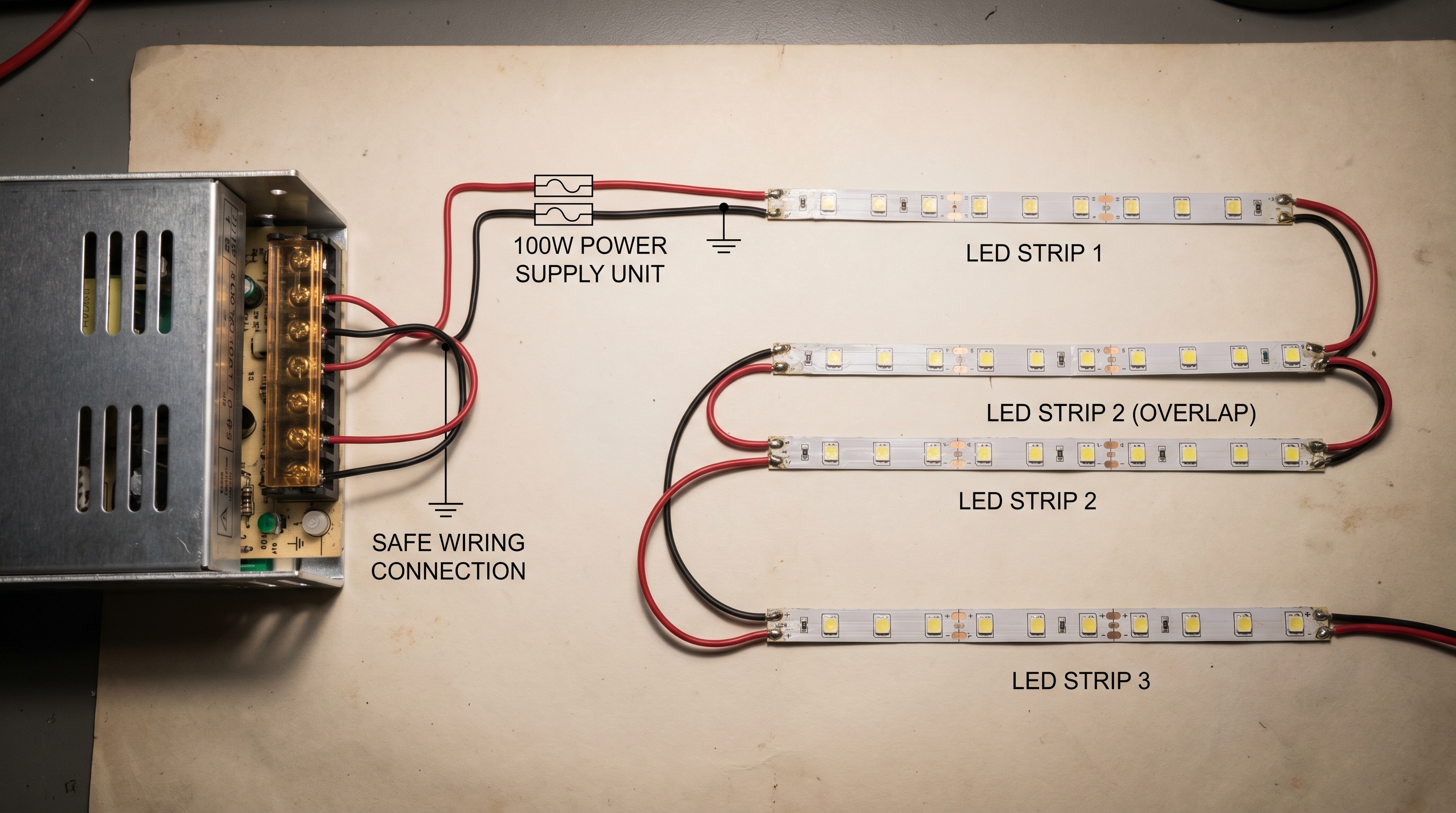
Overlapping LED strip lights significantly increases the total amperage draw on your circuit, requiring a power supply that can handle the combined wattage. Many users forget that an overlapped section counts as two separate runs of power in the same physical footprint. You must calculate the wattage per meter for both strips to avoid overloading your driver.
How do you calculate the power need?
You should follow the “80% Rule,” meaning your total power consumption should never exceed 80% of the power supply’s rated capacity. If you have two strips each drawing 14W/m, a one-meter overlap section effectively draws 28W.
- Sum the wattage of every segment.
- Account for voltage drop over long runs.
- Use 24V systems to reduce current (Amps).
Keep this in mind:
Under-powering an overlapped system will lead to flickering, inconsistent colors, and a power supply that runs dangerously hot to the touch.
| System Voltage | Current (Amps) for 100W | Voltage Drop Risk |
|---|---|---|
| 12V DC | 8.33 A | High |
| 24V DC | 4.16 A | Low |
| 48V DC | 2.08 A | Minimal |
Analysis: Electrical safety in overlapped designs hinges on precise wattage calculations and choosing higher voltage systems to minimize heat-generating current.
Key Takeaway
Always upsize your power supply and wiring gauge when planning an installation that involves significant overlapping.
Is overlapping LED strip lights safe in wet areas?
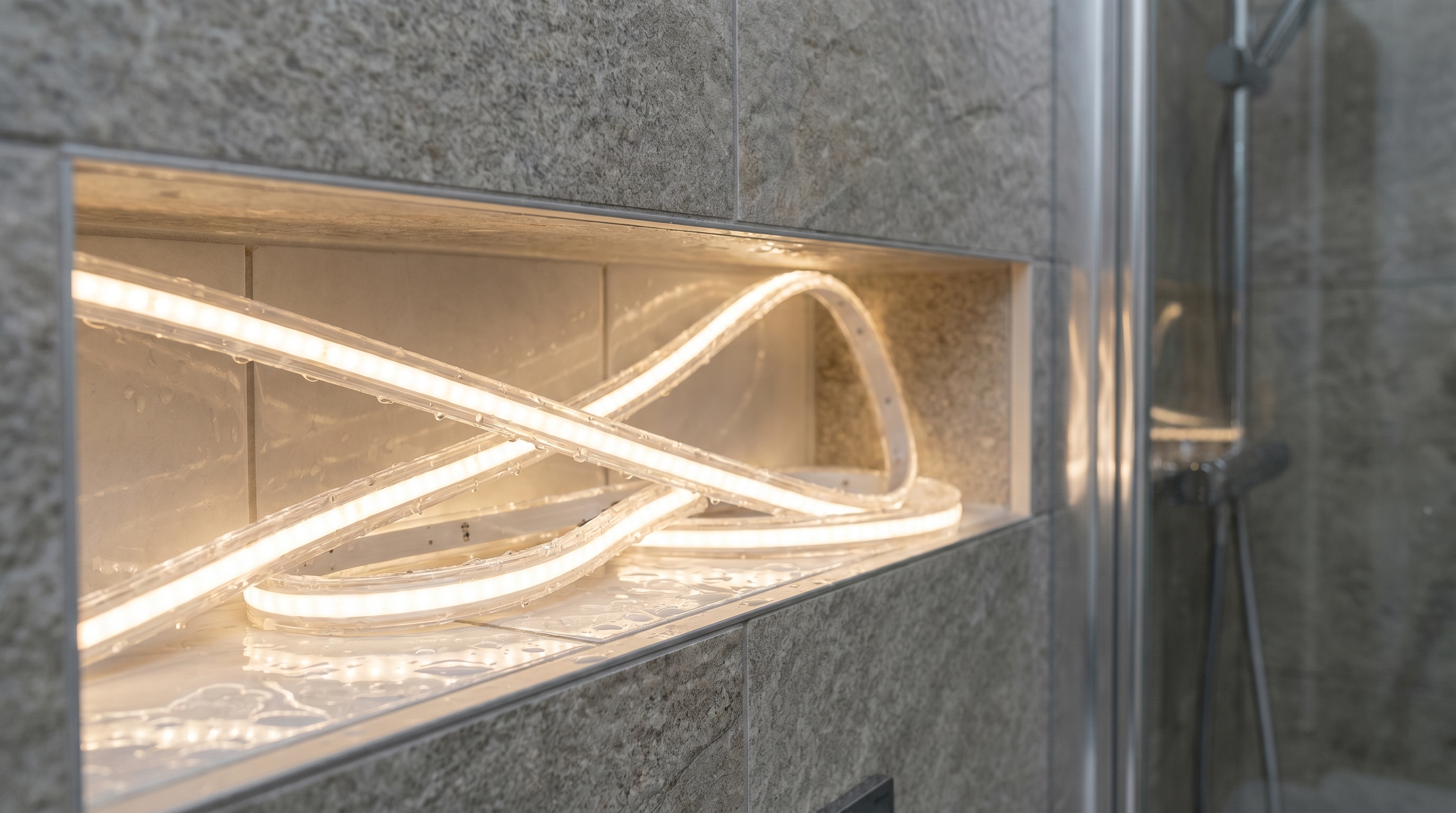
Overlapping LED strip lights in wet areas is safe only if you use IP65 or higher-rated strips and seal the overlap joints with neutral-cure silicone. Moisture can easily become trapped between two stacked layers, leading to corrosion of the copper traces or short circuits. When you use overlapping LED strip lights, you must ensure the protective coating remains intact during the installation process.
How do you handle the extra thickness?
You will find that waterproof strips (IP65/67) are much thicker due to their silicone sleeve, making them harder to overlap in standard channels. You must use extra-wide or “H-Type” aluminum profiles to accommodate the bulk without pinching the strips.
- Use IP67 strips for direct water contact.
- Apply silicone sealant to all cut ends.
- Avoid overlapping in areas with standing water.
The catch?
Trapped moisture between two strips can act as a conductor, causing the LEDs to stay dimly lit even when the power is turned off.
| Environment | Required Rating | Overlap Difficulty |
|---|---|---|
| Kitchen / Backsplash | IP65 | Moderate |
| Bathroom / Shower | IP67 | High |
| Outdoor / Pool | IP68 | Very High |
Analysis: Waterproofing adds a layer of complexity to overlapping; successful installs require specialized profiles and meticulous moisture sealing.
Key Takeaway
Prioritize moisture-resistant components and dedicated silicone sealants when overlapping strips in humid or wet environments.
How to fix issues when overlapping LED strip lights?

To fix issues when overlapping LED strip lights, you should first identify whether the problem is thermal, electrical, or mechanical. Common signs of failure include a section of the strip turning yellow (heat damage) or a sudden drop in brightness at the overlap point. You can use a multimeter to check for voltage consistency across the stacked section.
What if the colors don’t match?
You might notice a color shift if the strips are from different batches or manufacturers. The solution is to ensure both overlapping strips have identical binning specs to maintain a seamless transition.
- Check for pinched wires at the overlap.
- Replace strips with visible heat discoloration.
- Verify that the power supply isn’t “throttling.”
Look:
A small misalignment of just 2mm can cause the LEDs to “beam” into each other, creating an ugly shadow that ruins the entire lighting effect.
| Common Issue | Likely Cause | Fix |
|---|---|---|
| Flickering | Loose connection / Overload | Check wiring / Upsize Driver |
| Yellowing | Excessive Heat | Add aluminum profile |
| Color Shift | Voltage Drop | Add power injection |
Analysis: Most overlapping problems are preventable through proactive testing and by adhering to strict alignment and thermal guidelines.
Key Takeaway
Regularly inspect overlapped sections for discoloration or heat signs to catch potential failures before they become safety hazards.
Should pros handle overlapping LED strip lights?
Professionals should handle overlapping LED strip lights when the project involves high-voltage systems or complex commercial integration. While DIYers can manage simple overlaps in a home theater, large-scale B2B projects require a deep understanding of fire codes and electrical load balancing. A professional can also provide custom soldering to minimize the physical bulk at the overlap point.
Is professional soldering better?
You get a much more reliable connection when a pro solders the jump wires between overlapped sections rather than using bulky plastic clip connectors. This keeps the profile slim and reduces the risk of mechanical failure over time.
- Pros use specialized thermal imaging.
- Certified installs meet insurance requirements.
- Expertise ensures better color consistency.
Think about it:
An incorrectly overlapped system in a commercial building is a liability; a professional ensures the system is both beautiful and code-compliant.
| Project Type | Recommended Path | Why? |
|---|---|---|
| Residential Cove | DIY / Handyman | Low risk / Small scale |
| Retail / Hotel | Professional | Code compliance / Longevity |
| Outdoor / Industrial | Professional | Safety / Warranty protection |
Analysis: For any mission-critical or commercial application, professional installation is the only way to guarantee safety and performance.
Key Takeaway
Hire a professional for complex, multi-layered designs to ensure your investment is protected by expert electrical engineering.
What specs matter for overlapping LED strip lights?
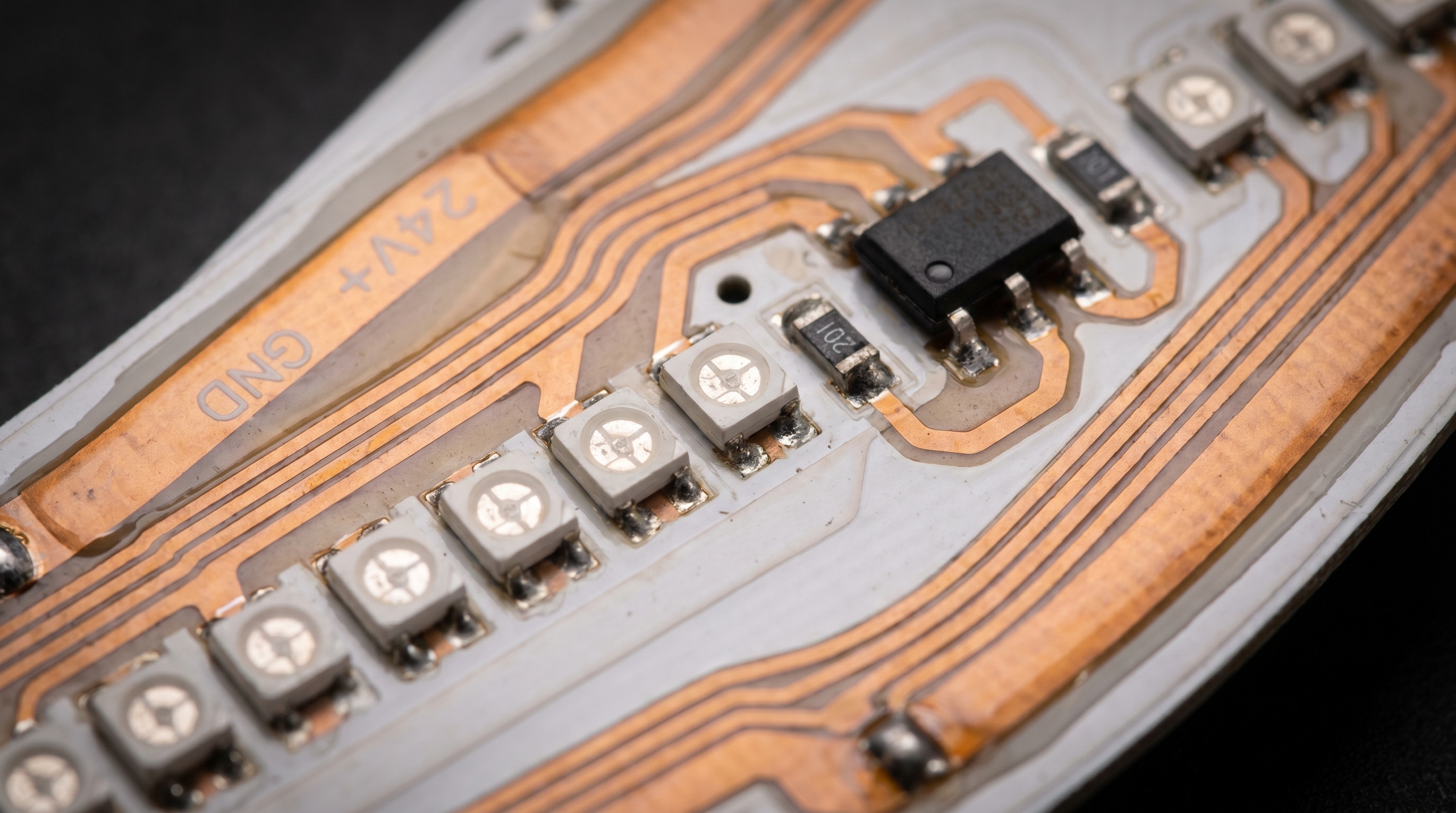
The most important specs for overlapping LED strip lights are a 24V input voltage, a high Color Rendering Index (CRI), and a multi-layered copper PCB. These specifications determine how well the strip can handle the physical stress and thermal demands of being stacked. Higher quality components ensure that the lights maintain their color and brightness even when placed in tight, high-heat environments.
Why does CRI matter in overlaps?
You will find that overlapping strips with a low CRI results in “muddy” light that distorts the colors of your interior design. Using strips with a CRI of 90 or higher ensures that the combined light remains crisp and true to life.
- Choose 24V to minimize voltage drop.
- Look for 3oz copper PCBs for heat sinking.
- Select strips with tight LED pitch (120+ LEDs/m).
The best part?
Premium strips are designed with built-in thermal protection that automatically dims the LEDs if they get too hot, preventing a total system failure.
| Specification | Ideal Value | Impact on Overlap |
|---|---|---|
| Voltage | 24V | Runs cooler / More stable |
| CRI | 90+ | Better color accuracy |
| PCB Weight | 3oz Copper | Superior heat dissipation |
Analysis: High-spec components are the foundation of a successful overlapped system; don’t compromise on voltage or PCB quality.
Key Takeaway
Always prioritize 24V strips with thick copper PCBs for any project where overlapping or stacking is required.
Overlapping LED strip lights is a sophisticated technique that solves the problem of dark spots and provides architectural depth, provided you prioritize thermal management and electrical load. By using aluminum channels, high-bond adhesives, and professional-grade 24V components, you can transform a standard lighting run into a high-end, gap-free masterpiece.
At Darkless LED, we are committed to providing the technical-grade solutions needed for these complex B2B applications. Our high-CRI, constant-current strips are engineered specifically for durability and performance in high-density environments. To ensure your next project is both safe and visually stunning, contact us today and let our expert team guide you through the perfect configuration.
FAQ
Can I overlap different brands of LED strips?
It is possible, but not recommended because different manufacturers use different binning processes, which leads to noticeable mismatches in color and brightness.
What is the maximum number of layers I can overlap?
You should never exceed two layers; three or more creates a “thermal sandwich” that is impossible to cool without active ventilation, leading to rapid failure.
Can I use electrical tape to hold overlaps together?
No, electrical tape will melt or lose its adhesive properties when heated by the LEDs; only use dedicated thermal tape or acrylic VHB tape.
What happens if I overlap non-waterproof strips in a kitchen?
Grease and steam will settle between the layers, causing the adhesive to fail and potentially leading to a short circuit as moisture bridges the copper pads.
Is it okay to overlap strips that are already in a silicone sleeve?
Yes, but you must use a larger aluminum channel to accommodate the extra bulk and ensure there is still enough airflow to prevent the sleeve from melting.